How to Choose the Right AI-Powered Learning Platform for Your Child
Every child learns differently. While some students understand a concept quickly, others need more practice, simpler explanations, or additional guidance. This is why many parents…
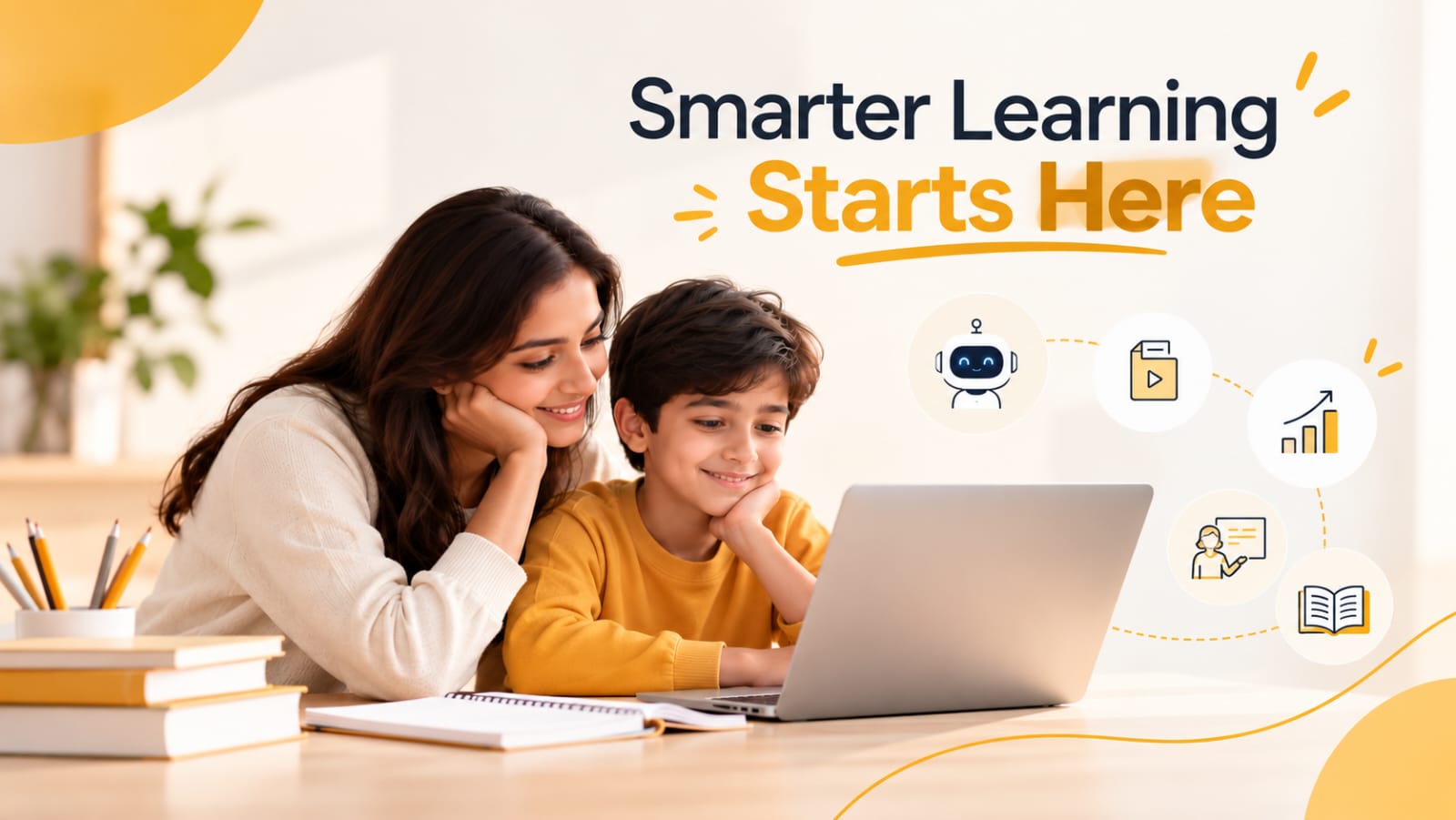
However, choosing the right platform involves more than finding one with artificial intelligence. Parents should consider the quality of learning resources, teacher support, progress tracking, safety, and whether the platform suits their child’s individual needs.
1. Look for Personalised Learning
A good learning platform should help children study at a pace that suits them. AI-powered tools may recommend relevant lessons, identify areas that need improvement, and suggest practice activities based on a student’s performance.
Personalised learning can make study sessions more focused. Students can work on difficult concepts while continuing to strengthen what they already understand.
2. Check for Human Teacher Support
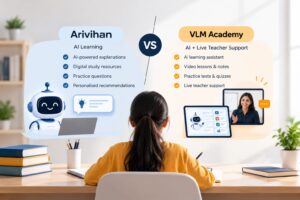
AI can assist with explanations and practice questions, but students may still need a teacher to explain a difficult topic in another way or answer a question that requires deeper understanding.
When comparing platforms, check whether live teacher support is available, how students can contact teachers, and what hours or subscription conditions apply. A combination of AI tools and human guidance can provide students with more ways to seek help.
3. Choose Useful Study Resources
Look for resources that match your child’s class, syllabus, and learning goals. Depending on the platform, useful resources may include:
- Video lessons and easy-to-understand notes
- Practice questions and multiple-choice quizzes
- Chapter-wise tests and revision activities
- Sample papers and previous-year questions, where relevant
- Explanations that help students understand concepts, not just memorise answers
The goal is not to collect the largest number of resources. It is to find reliable, relevant material that helps your child learn effectively.
4. Check Progress Tracking and Feedback
Progress tracking helps parents and students identify strengths and areas that need more attention. Look for clear performance summaries, topic-wise results, and suggestions for further practice.
Use this information to create a practical study plan. Remember that a test score is only one measure of learning. Improvement, consistency, curiosity, and confidence matter too.
5. Prioritise Safety and Ease of Use
A learning platform should be simple enough for your child to navigate without unnecessary frustration. Before choosing one, review its privacy policy, data collection practices, communication features, parental controls, and age suitability.
Also check device compatibility, internet requirements, subscription costs, renewal terms, and customer support. A platform that fits your family’s routine and budget is more likely to be used consistently.
6. Compare Platforms Before Deciding
| Feature | What to look for |
|---|---|
| Personalised learning | Lessons and practice suited to learning needs |
| Teacher support | Clear ways to ask questions and get guidance |
| Study resources | Accurate, syllabus-relevant lessons and practice |
| Progress tracking | Understandable feedback and performance insights |
| Safety and privacy | Transparent data practices and suitable safeguards |
| Cost and usability | Affordable plans and a child-friendly experience |
Parent tip: If a free trial or demo is available, let your child try it. Observe whether the platform helps them understand concepts, practise independently, and ask for help when needed.
How VLM Academy Supports Student Learning
VLM Academy brings together AI-supported learning tools and teacher-support options for school students. Its student app includes an AI learning assistant, notes, video lessons, practice questions, quizzes, tests, and performance insights.
These tools give students different ways to study, revise, and identify topics that need more attention. Teacher-support features can also provide another route to guidance when students need help understanding a concept.
Parents can explore the platform and review its current features to decide whether it fits their child’s learning requirements.
Visit VLM Academy or explore the VLM Academy Student App.
Frequently Asked Questions
Is an AI-powered learning platform suitable for every child?
It can be helpful for many students, but the right choice depends on the child’s age, learning needs, curriculum, and comfort with digital learning. Parents should review the platform and monitor whether it is helping.
Can AI replace a human teacher?
AI can support practice, explanations, and personalised recommendations, but it does not fully replace a teacher’s judgement, empathy, and ability to respond to a student’s individual circumstances. Both can play complementary roles.
What is the most important feature in a learning platform?
There is no single feature that suits every child. Start with your child’s needs and compare content quality, personalised learning, teacher support, progress tracking, safety, and cost.
Conclusion
Choosing the right AI-powered learning platform for your child means finding a balance between technology, quality educational resources, and human guidance. Rather than choosing an app simply because it has advanced features, focus on whether it helps your child understand concepts, practise regularly, and become a more confident learner.
Every child deserves a learning experience that supports their growth. Explore the available options, involve your child in the decision, and choose a platform that makes learning more meaningful.