Can AI and Human Teachers Work Together in Education?
Artificial intelligence is changing the way students access information, practise concepts, and study online. AI-powered tools can explain topics, generate practice questions, and suggest learning activities….
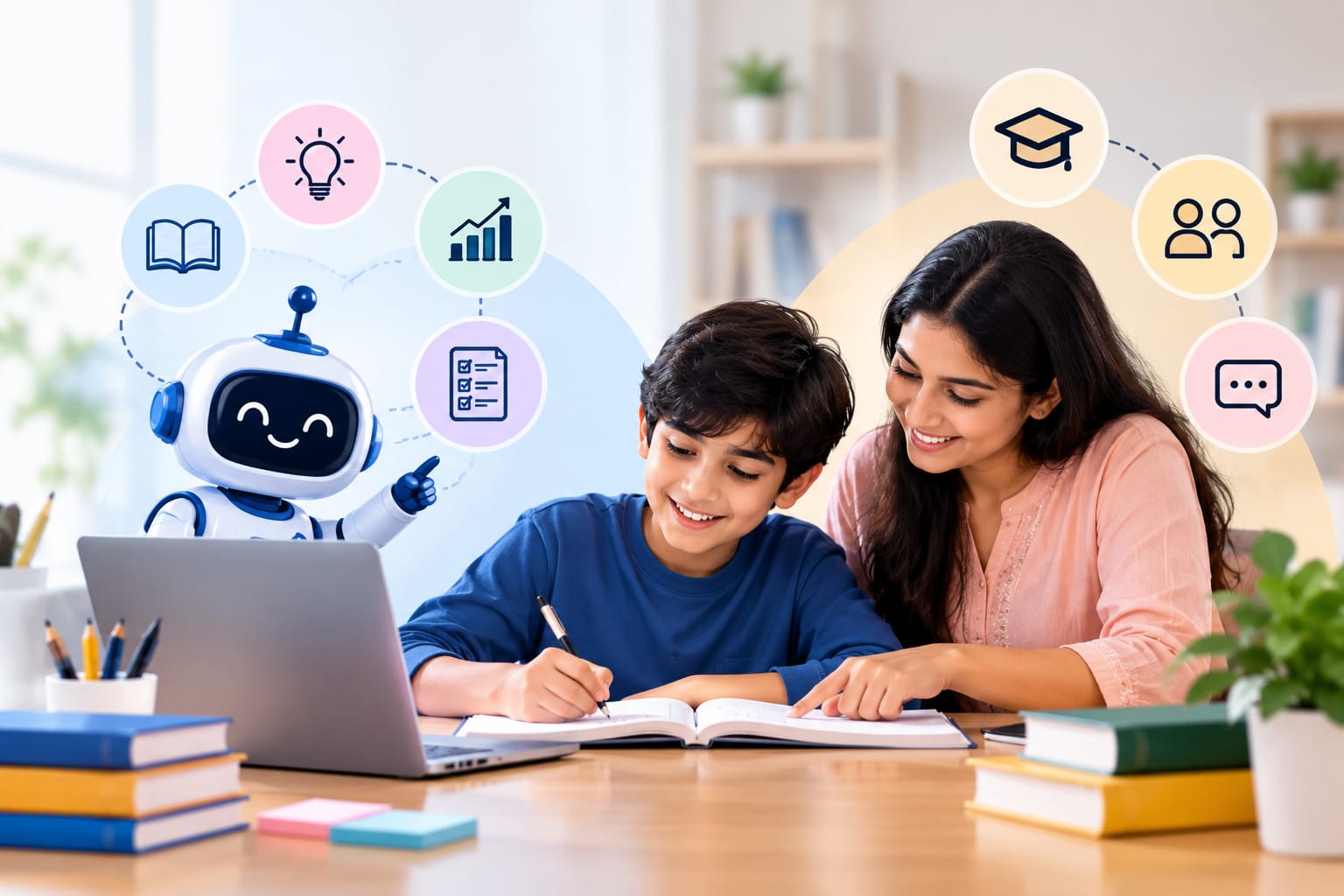
Artificial intelligence is changing the way students access information, practise concepts, and study online. AI-powered tools can explain topics, generate practice questions, and suggest learning activities. At the same time, human teachers continue to play an important role in helping students understand concepts, build confidence, and develop critical-thinking skills.
What Can AI Bring to Education?
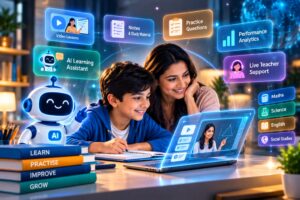
AI-powered learning tools can provide students with additional ways to practise and review what they learn. Depending on the tool, students may be able to ask questions, receive alternative explanations, work through examples, and get recommendations for further practice.
AI can also help students revisit topics at their own pace. For example, a student who struggles with a maths concept can request a simpler explanation and then practise similar questions.
However, AI is not always accurate. Students should check important explanations against trusted learning resources and ask a teacher when something remains unclear.
Why Human Teachers Still Matter
Education involves much more than delivering information. Teachers use their experience and judgement to recognise misunderstandings, adapt explanations, encourage participation, and respond to individual student needs.
Human teachers can also provide encouragement, constructive feedback, and context that an automated tool may miss. They help students develop communication, collaboration, reasoning, and other skills that matter beyond examinations.
Technology can support these responsibilities, but it should not be assumed to replace the professional judgement and human connection that teachers provide.
5 Ways AI and Teachers Can Work Together
1. Personalised Practice
AI tools can suggest additional questions or explanations based on a student’s needs. Teachers can use their understanding of the student to guide what should be practised next.
2. Faster Access to Explanations
Students can use AI to explore a concept or review a worked example. If they still have doubts, a teacher can explain the difficult steps or address misunderstandings.
3. Better Revision Planning
Quizzes and performance summaries can help identify topics that require more revision. Teachers and students can use these insights to plan study sessions and focus on learning gaps.
4. More Independent Learning
AI-supported resources can encourage students to explore questions and practise independently. Teachers can help them evaluate information, explain their reasoning, and learn from mistakes rather than simply copy answers.
5. More Time for Meaningful Teaching
When appropriate digital tools assist with practice and revision, teachers may be able to devote more attention to discussion, individual feedback, and complex concepts. The actual benefit depends on how the tools are selected and used.
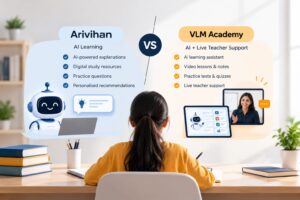
AI vs Human Teachers: A Complementary Approach
| Learning need | How AI can help | How teachers can help |
|---|---|---|
| Understanding concepts | Offer alternative explanations and examples | Identify misunderstandings and adapt teaching |
| Practice | Generate questions and activities | Review reasoning and provide feedback |
| Learning progress | Summarise performance patterns | Interpret progress and guide next steps |
| Motivation | Provide structured reminders or activities | Offer encouragement and personal support |
| Critical thinking | Provide material to explore and question | Help students evaluate ideas and evidence |
How VLM Academy Combines Learning Tools and Support
VLM Academy offers digital learning resources for school students, including an AI learning assistant, video lessons, notes, practice questions, quizzes, tests, and performance insights through its student app.
The platform also offers teacher-support options, giving students additional ways to seek academic guidance. Together, these resources provide different ways to review lessons, practise concepts, and get help when needed.
Parents and students can explore the current features and service terms to determine whether the platform suits their learning needs.
Visit VLM Academy or explore the VLM Academy Student App.
Frequently Asked Questions
Can AI replace human teachers?
AI can support explanations, practice, and revision, but it does not fully replace a teacher’s judgement, empathy, classroom experience, and ability to respond to a student’s individual circumstances.
What are the benefits of combining AI and teachers?
A balanced approach can offer flexible practice, alternative explanations, teacher feedback, and more opportunities to address learning gaps. The results depend on the quality of teaching and how the technology is used.
Is AI-based learning suitable for school students?
It can be useful when the tools are age-appropriate and used responsibly. Parents and teachers should encourage students to verify information, protect their privacy, and develop independent problem-solving skills.
Conclusion
The future of education does not have to be a choice between artificial intelligence and human teachers. AI can provide additional learning resources and practice opportunities, while teachers bring experience, judgement, encouragement, and personal guidance.
When used thoughtfully, both can contribute to a more flexible and supportive learning experience. The ultimate goal should remain the same: helping students understand concepts, think independently, and grow in confidence.
VLM Academy — Bringing smarter learning tools and academic support together for students.